
👉 Salt makes water boil faster. Searing meat “seals in the juices”. Alcohol always cooks off. We have all heard these kitchen rules from parents, TV chefs and old cookbooks – but many of them are simply not true. Here are 10 common cooking myths, what actually happens, and what to do instead. Some of them will change the way you cook tonight.
1. Myth: Searing meat “seals in the juices”
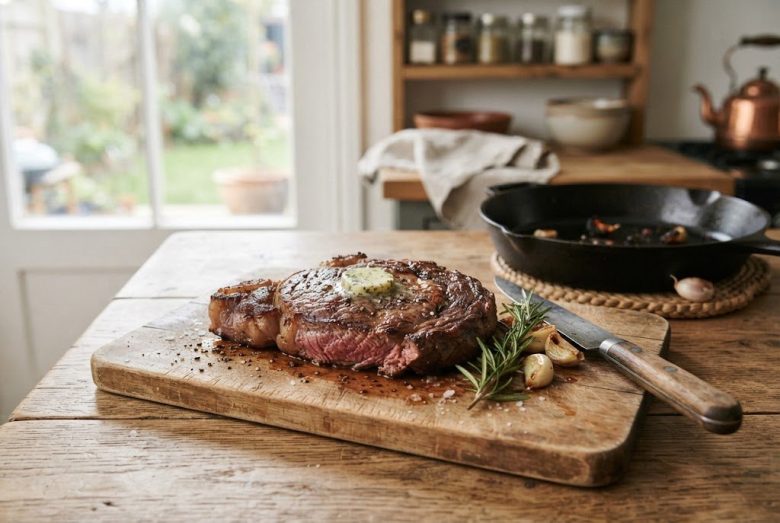
The truth: A brown crust is not waterproof. If you weigh two steaks – one seared first, one not – and cook them to the same temperature, they lose about the same amount of moisture. In fact, you can hear the juices sizzling out of a steak while it sears.
Why sear anyway? Flavour. High heat triggers the Maillard reaction, the browning that creates hundreds of savoury, roasted flavours. So keep searing – just do it for taste, not juiciness. For juicy meat, the real secrets are not overcooking it and letting it rest for a few minutes before slicing.
2. Myth: Salt makes water boil faster
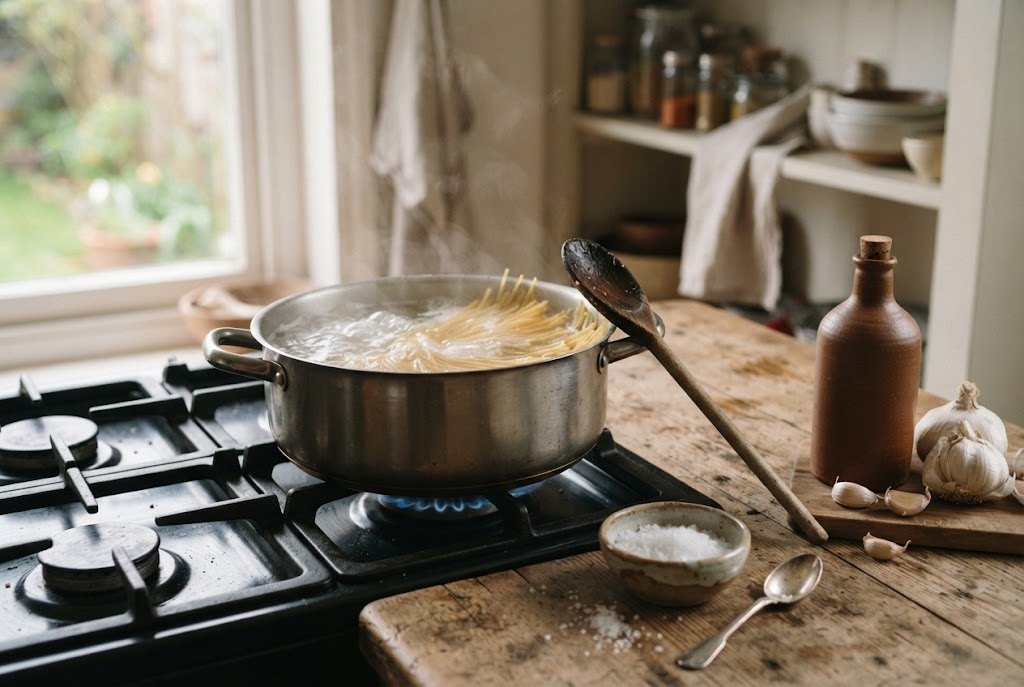
The truth: Salt actually raises the boiling point of water – but only by a tiny fraction of a degree at kitchen amounts. It makes no difference to how fast your pot boils. The bubbles you see when you add salt are just dissolved air escaping around the salt crystals.
What to do: Salt your pasta water for flavour – about 1 tablespoon of salt per 4 litres of water. Add it whenever you like.
3. Myth: Alcohol completely cooks off
The truth: It depends on how long you cook. According to data from the US Department of Agriculture, food that is simmered for 15 minutes still keeps around 40% of its alcohol. After an hour it is roughly 25%, and even after 2½ hours about 5% remains. A quick flambé leaves most of the alcohol in the dish.
What to do: If you are cooking for children, pregnant guests or anyone who avoids alcohol, choose a recipe without wine or replace it with stock and a splash of vinegar or lemon juice.
4. Myth: You should rinse raw chicken
The truth: Rinsing raw chicken does not make it safer. The water splashes bacteria like Salmonella and Campylobacter onto your sink, counters and nearby food. Food safety agencies around the world now advise not to wash raw poultry.
What to do: Take the chicken straight from the package to the pan. Pat it dry with paper towels if you want crispy skin, throw the towels away and wash your hands. Cooking it to 74°C (165°F) inside is what kills the bacteria.
5. Myth: Oil in the pasta water stops pasta sticking
The truth: Oil floats on top of the water, so it barely touches the pasta while it cooks. What it does do is coat the pasta at the end, so your sauce slides off instead of clinging to it.
What to do: Use a big pot with plenty of water and stir during the first 2 minutes – that is when pasta sticks. Save a cup of the starchy cooking water to help the sauce coat the pasta, like in cacio e pepe.
6. Myth: Never wash mushrooms
The truth: Mushrooms absorb very little water during a quick rinse – only a few percent of their weight. That small amount evaporates as soon as they hit a hot pan.
What to do: Rinse them briefly under the tap just before cooking, then dry them on a towel. Don’t leave them soaking, and don’t wash them hours ahead – wet mushrooms go slimy in the fridge. Try them in Georgian soko ketsze.
7. Myth: Fresh vegetables are always healthier than frozen
The truth: Frozen vegetables are usually picked at their peak and frozen within hours, which locks in most of the vitamins. “Fresh” vegetables can spend days in trucks, shops and your fridge, slowly losing nutrients. Studies comparing the two often find very similar nutritional values.
What to do: Keep frozen peas, spinach and green beans for busy days – they are not a second-class choice.
8. Myth: Microwaving destroys nutrients
The truth: All cooking changes food, but nutrient loss depends mostly on time, temperature and water. Microwaving is fast and uses little water, so it often keeps vitamins better than long boiling, where water-soluble vitamins like vitamin C leak into the water you pour away.
What to do: Steam vegetables in the microwave in a covered bowl with a spoonful of water for 2–4 minutes.
9. Myth: Always bring meat to room temperature before cooking
The truth: A thick steak left on the counter for 30 minutes warms up only slightly in the centre – a few degrees at most. It makes very little difference to how evenly it cooks, and leaving raw meat out for long periods is not a good idea for food safety.
What to do: Take meat out of the fridge while you prepare the other ingredients, pat it dry and season it well. Dry surface + hot pan = better crust.
10. Myth: Adding lemon juice or a pit stops guacamole browning
The truth: The avocado stone only protects the bit of guacamole it touches – because air can’t reach it. Lemon or lime juice slows browning a little, but it does not stop it.
What to do: Press plastic wrap directly onto the surface of the guacamole (no air gap), or pour a thin layer of water on top, cover and refrigerate. Pour the water off and stir before serving.
🧠 Bonus: Kitchen Facts That Are True
- Resting meat works. Letting a roast or steak rest for 5–10 minutes helps it hold onto more juice when sliced.
- Dry food browns better. Pat meat, fish and vegetables dry before frying or roasting.
- A crowded pan steams instead of browns. Cook in batches for crispy results.
- Salting eggplant before frying helps it absorb less oil – a trick used in Turkish karnıyarık.
❓ FAQ
Does searing meat lock in moisture?
No. Searing adds flavour and colour through browning, but it doesn’t stop juices escaping. Avoiding overcooking and resting the meat matter much more.
Should I put salt in pasta water before or after it boils?
It doesn’t matter for cooking time. Many cooks add it once the water boils because it dissolves quickly and is easy to remember.
How long does it take for alcohol to cook off?
Much longer than most people think – even after an hour of simmering about a quarter of the alcohol can remain.
Is it safe to wash chicken?
It is not recommended. Washing spreads bacteria around your kitchen; thorough cooking is what makes chicken safe.
👉 Put your new knowledge to work with these easy recipes: 15 cheap dinner recipes from around the world and 25 cozy comfort food recipes.