How to Eat Khinkali Like a Georgian (Rules, Etiquette & Easy Recipe)
06October2026
Cuisines Guide Team
Cuisines Guide is a small team from Georgia sharing home-style recipes from around the world – from khinkali and khachapuri to Turkish, Polish, Moroccan and Portuguese classics – explained step by step for home cooks.
👉 Khinkali are Georgia’s famous soup dumplings – and eating them properly is almost a sport. Pick them up with a fork or knife and the hot broth spills all over your plate; Georgians will smile politely and know you’re a tourist. In this guide you’ll learn how to eat khinkali like a Georgian, the unwritten table rules, how many to order and how to make them at home.
🥟 What Are Khinkali?
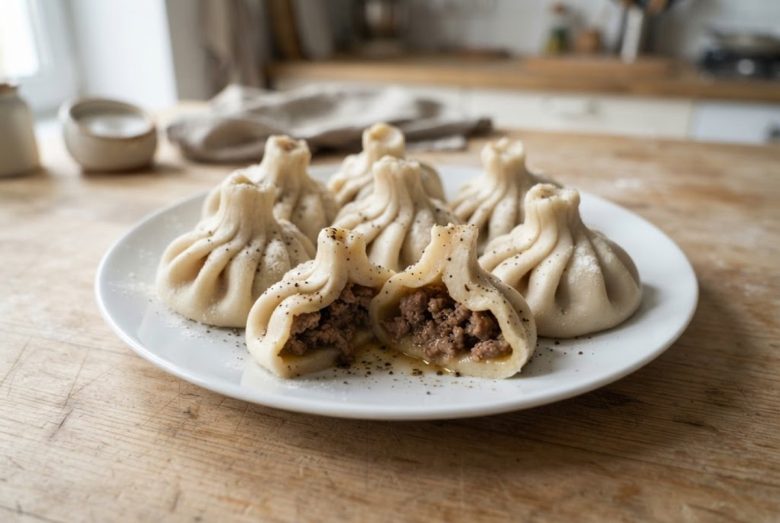
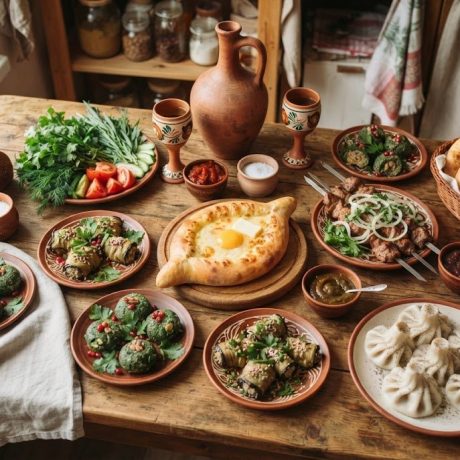
Khinkali are large pleated dumplings from the mountains of eastern Georgia. A thin dough purse is filled with spiced minced meat – usually beef and pork – plus onion, herbs and water. As they boil, the water turns into a rich, peppery broth sealed inside the dumpling. A good khinkali has 18–20 pleats and a twisted knot on top called the kudi (“hat”).
You’ll also find versions filled with mushrooms, potato or cheese, and the mountain-style khevsuruli khinkali made with chopped meat and herbs only.
🍴 How to Eat Khinkali: Step by Step
Use your hands. Hold the khinkali upside down by the knot. Cutlery is the classic beginner mistake – it breaks the dough and the broth is lost.
Add black pepper. Grind plenty of black pepper over the top. That’s the only seasoning Georgians add at the table.
Bite a small hole. Take a small bite from the side of the dumpling – just enough to open it.
Sip the broth. Tilt it slightly and drink the hot juice before taking another bite. Careful – it’s very hot!
Eat the rest. Finish the dough and filling in two or three bites.
Leave the knot. Put the doughy top knot back on your plate. It’s thick and undercooked, and it’s how the table counts how many you ate.
🇬🇪 Khinkali Etiquette: Unwritten Rules
Don’t eat the kudi – unless you’re very hungry. Leaving it is normal; a pile of knots is a badge of honour.
Count your knots. Friends often compete; 10–15 is a respectable score for a hungry man, 5–8 for most people.
Eat them hot. Khinkali are served straight from the pot and should be eaten immediately – cold khinkali lose their broth and become chewy.
No sauce needed. A good khinkali is juicy enough on its own. Some restaurants offer sauces for tourists, but locals rarely use them.
Leftovers get fried. Cold khinkali are pan-fried the next day until crispy – many people say they are even better that way.
🔢 How Many Khinkali Should You Order?
Restaurants sell khinkali by the piece, often with a minimum of 5. A good rule: 5–6 per person if you’re also ordering other dishes, 8–10 if khinkali is the main meal. They are filling – the dough is thick and the meat is rich.
🍺 What to Eat and Drink with Khinkali
Khinkali are a meal on their own, but they’re perfect next to:
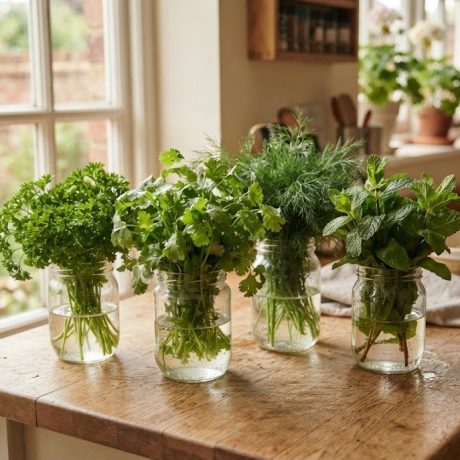
Pickles, fresh herbs and a spoon of ajika on the side
To drink, Georgians usually choose cold beer or chacha (grape brandy). Dry white wine such as Rkatsiteli also works well.
🥢 Khinkali vs Chinese Xiaolongbao
Both are soup dumplings, but they’re very different. Xiaolongbao are small, delicate and eaten with chopsticks and a spoon. Khinkali are big, rustic, spicier, eaten by hand – and you’ll need far fewer to feel full.
👩🍳 How to Make Khinkali at Home
Making khinkali at home is easier than it looks. The secret is a juicy filling with plenty of cold water and dough rolled thin enough for lots of pleats. Our step-by-step recipe shows you exactly how: